Water Softener San Antonio: The Complete Guide to Solving Hard Water Problems in Your Home
Water Softener San Antonio: The Complete Guide to Solving Hard Water Problems in Your Home
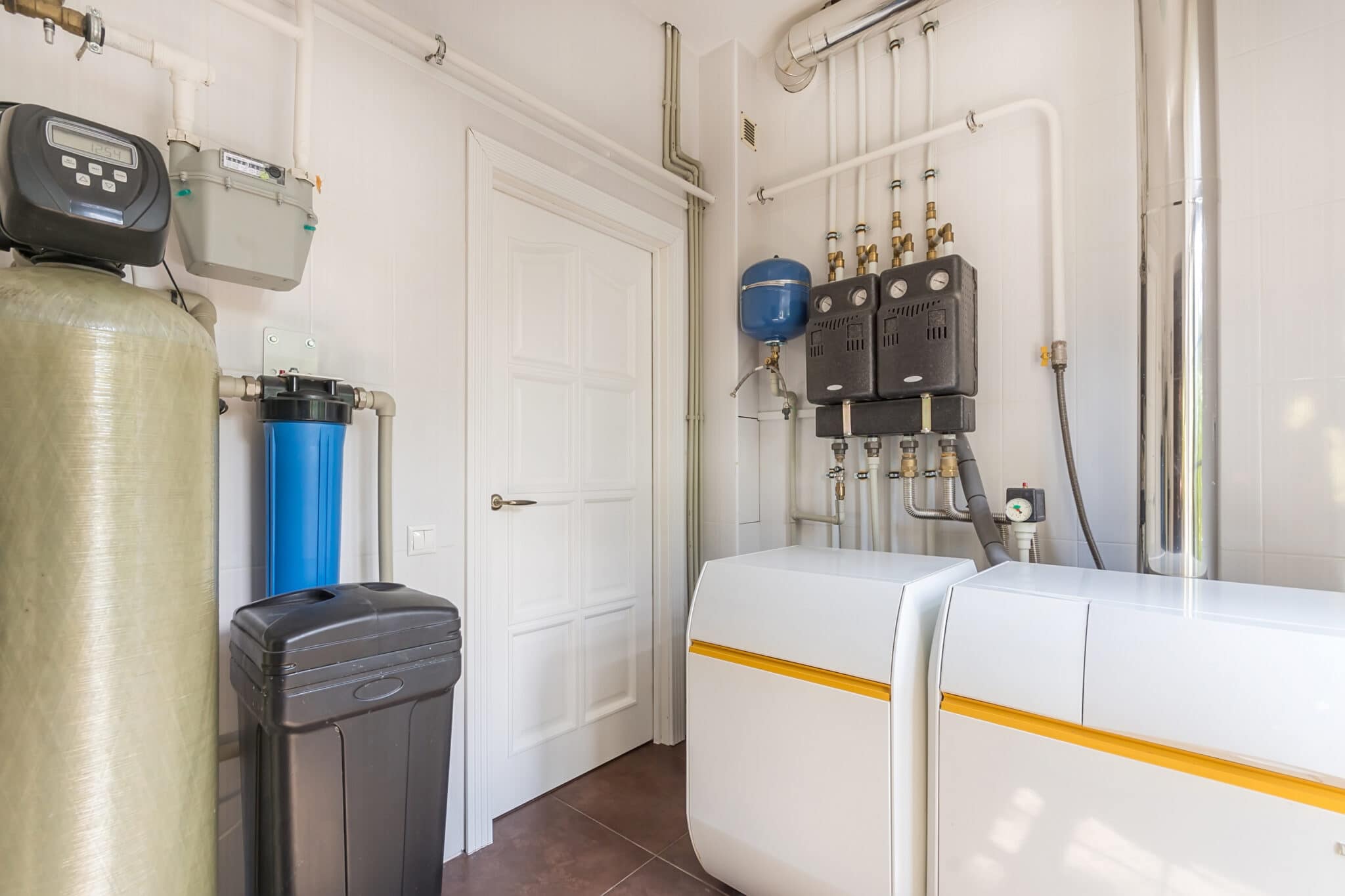
If you've lived in San Antonio for any length of time, you've likely noticed the telltale signs of hard water in your home—white crusty buildup on faucets, spots on your dishes, dry skin after showering, and appliances that seem to wear out faster than they should. You're not imagining things. San Antonio has some of the hardest water in the entire country, and it's affecting your home, your budget, and your quality of life every single day.
The good news? A water softener in San Antonio is one of the smartest investments you can make for your home. In this comprehensive guide, we'll explore everything you need to know about why San Antonio's water is so hard, what it's doing to your home, and how the right water softening solution can save you thousands of dollars while making daily life more comfortable.
Ready to solve your hard water problems? Contact Bluebonnet Plumbing today at +1 210-806-7285 for expert water softener installation in San Antonio. We're available Monday–Friday, 8 AM–5 PM.
Why Is San Antonio's Water So Hard?
Understanding why San Antonio has such problematic water starts with a geology lesson. Our city sits atop the famous Edwards Aquifer and the Trinity Aquifer—massive underground limestone formations that supply the vast majority of our drinking water. While these aquifers provide an abundant and reliable water source, they also create a significant challenge for homeowners.
The Science Behind Hard Water in the Hill Country
As rainwater seeps through the ground to replenish our aquifers, it passes through layer after layer of limestone rock. Limestone is composed primarily of calcium carbonate, and as water flows through it, the rock slowly dissolves, releasing calcium and magnesium minerals into the water supply. By the time this water reaches your tap, it's loaded with these dissolved minerals.
According to the San Antonio Water System (SAWS), our municipal water typically measures between 15 to 20 grains per gallon (gpg) in hardness. To put this in perspective, the Water Quality Association classifies any water above 7 gpg as "very hard." San Antonio's water is more than double that threshold, placing it firmly among the hardest water supplies in the nation.

Is San Antonio's Hard Water Safe to Drink?
Here's an important distinction: hard water is not the same as contaminated water. The calcium and magnesium minerals that make water "hard" are not harmful to your health—in fact, they can contribute small amounts to your daily mineral intake. SAWS regularly tests our water supply and publishes annual Water Quality Reports confirming that San Antonio's water meets or exceeds all EPA drinking water standards.
The problem with hard water isn't safety—it's what those minerals do to your home, your appliances, and your daily comfort over time.
The Hidden Costs of Hard Water in Your San Antonio Home
Hard water might seem like a minor inconvenience, but the reality is that it's silently costing San Antonio homeowners hundreds or even thousands of dollars every year. Understanding these impacts helps illustrate why a water softener in San Antonio is such a worthwhile investment.
Damage to Your Plumbing System
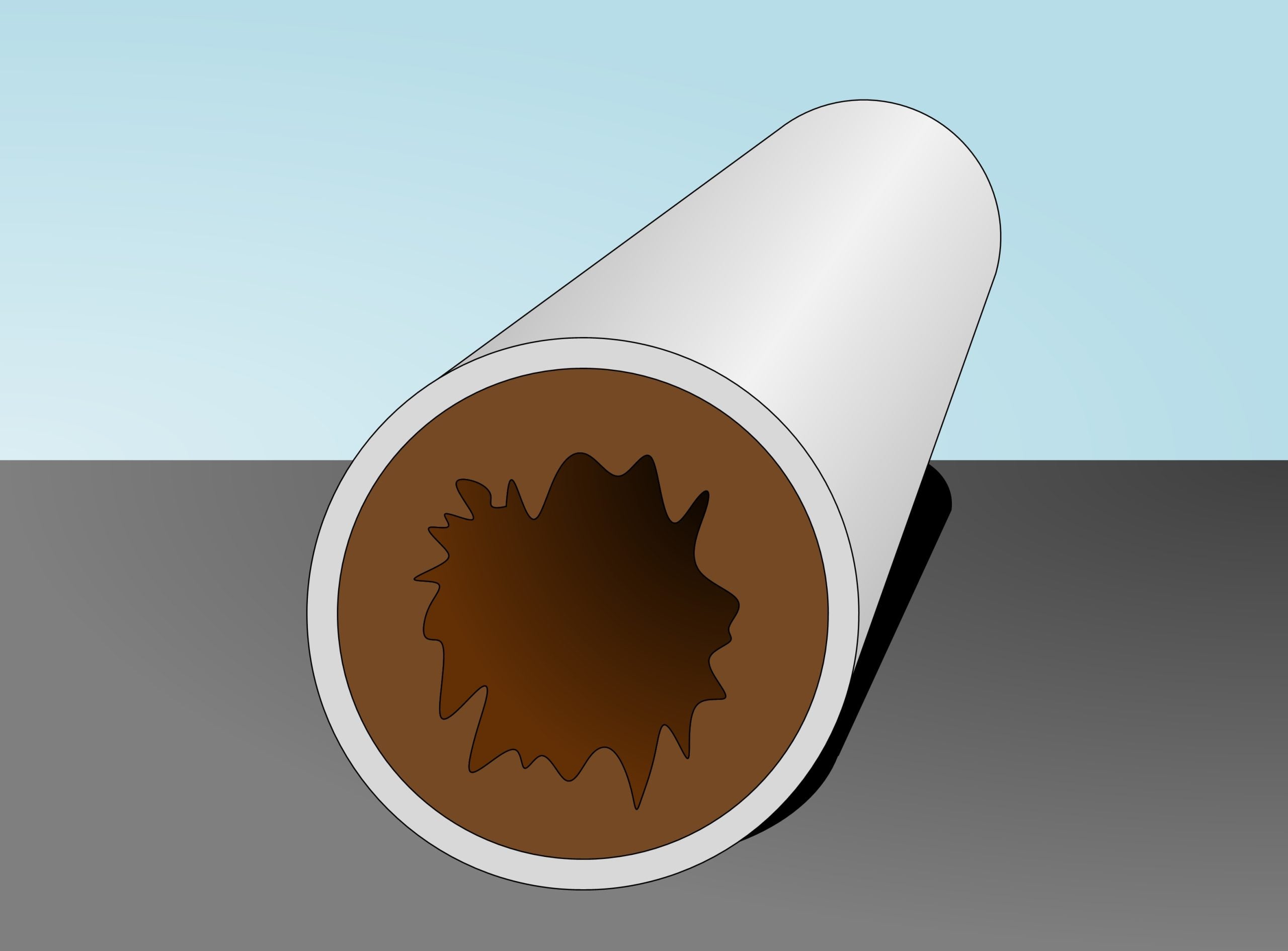
Every time hard water flows through your pipes, a small amount of mineral residue gets left behind. This buildup, known as limescale, accumulates over months and years. Inside your pipes, limescale gradually restricts water flow, leading to reduced water pressure throughout your home. In severe cases, pipes can become completely clogged, requiring expensive repairs or complete re-piping—a job that can easily cost $5,000 to $15,000 or more.
Shortened Appliance Lifespans
Your water-using appliances take the hardest hit from San Antonio's mineral-rich water. Here's what happens:
- Water Heaters: Scale builds up on heating elements, forcing the unit to work harder and use more energy. This can increase your energy bills by up to 30% and cut your water heater's lifespan in half.
- Dishwashers: Mineral deposits clog spray arms and internal components, reducing cleaning effectiveness and causing premature failure.
- Washing Machines: Hard water prevents detergent from dissolving properly, leaving residue on clothes and damaging internal mechanisms.
- Coffee Makers and Ice Makers: Small appliances with heating elements or water lines are particularly vulnerable to scale damage.
Research from the U.S. Geological Survey has documented the widespread effects of hard water on residential infrastructure, confirming that homes in limestone-rich areas like Central Texas face accelerated wear on water-using systems.
Daily Frustrations and Personal Care Challenges
Beyond the big-ticket items, hard water makes everyday tasks more difficult and more expensive:
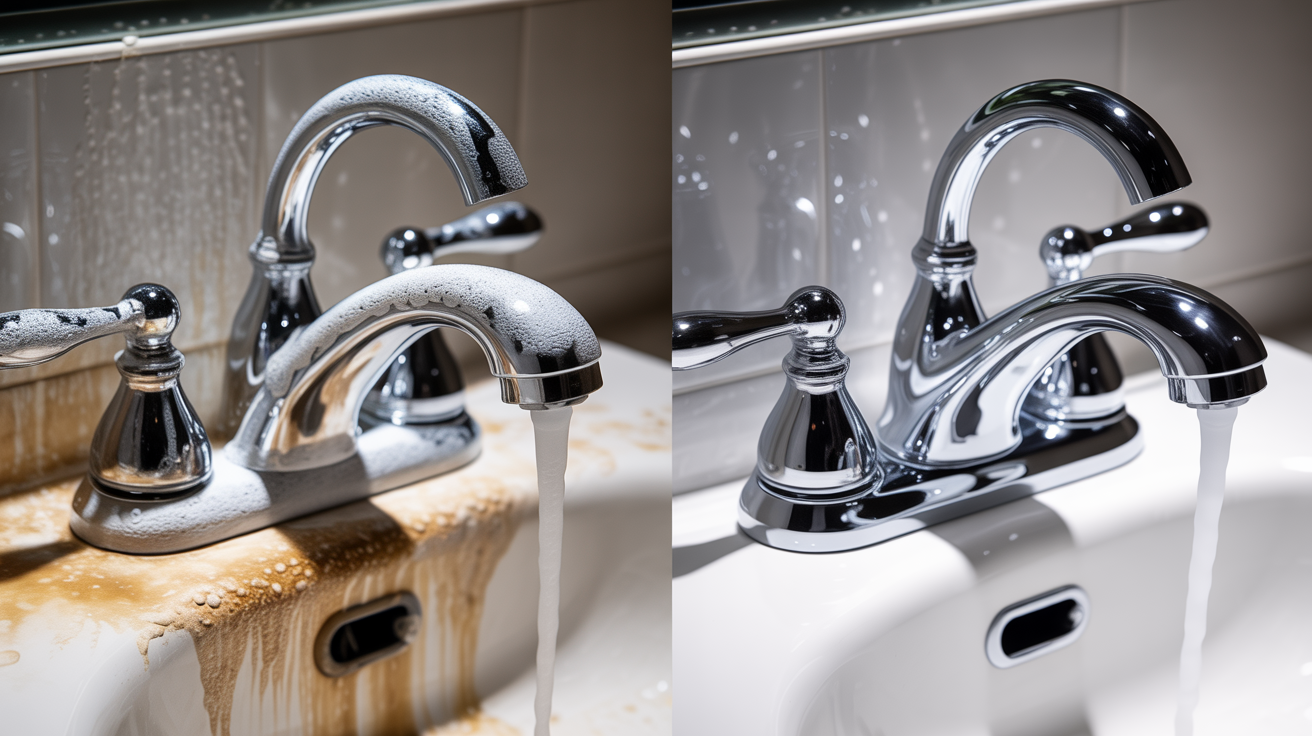
- Soap Scum Everywhere: Hard water minerals react with soap to create that stubborn, chalky residue on shower doors, tubs, and sinks. You'll spend more time scrubbing and more money on cleaning products.
- Spotted Dishes and Glassware: No matter how good your dishwasher or how much rinse aid you use, hard water leaves spots and cloudy film on everything.
- Stiff, Dingy Laundry: Clothes washed in hard water feel rough, colors fade faster, and detergent residue stays trapped in fabric fibers.
- Dry Skin and Dull Hair: The same mineral residue that coats your fixtures also coats your skin and hair, stripping away natural oils and leaving you feeling dry and itchy.
How Water Softeners Work: Your Options Explained
Now that you understand the problem, let's talk solutions. When shopping for a water softener in San Antonio, you'll encounter two main technologies: traditional salt-based water softeners and salt-free water conditioners. Understanding the difference is crucial for making the right choice for your home.
Salt-Based Ion Exchange Water Softeners
The traditional salt-based water softener remains the gold standard for treating hard water, and there's a good reason why—it's the only technology that actually removes hardness minerals from your water.
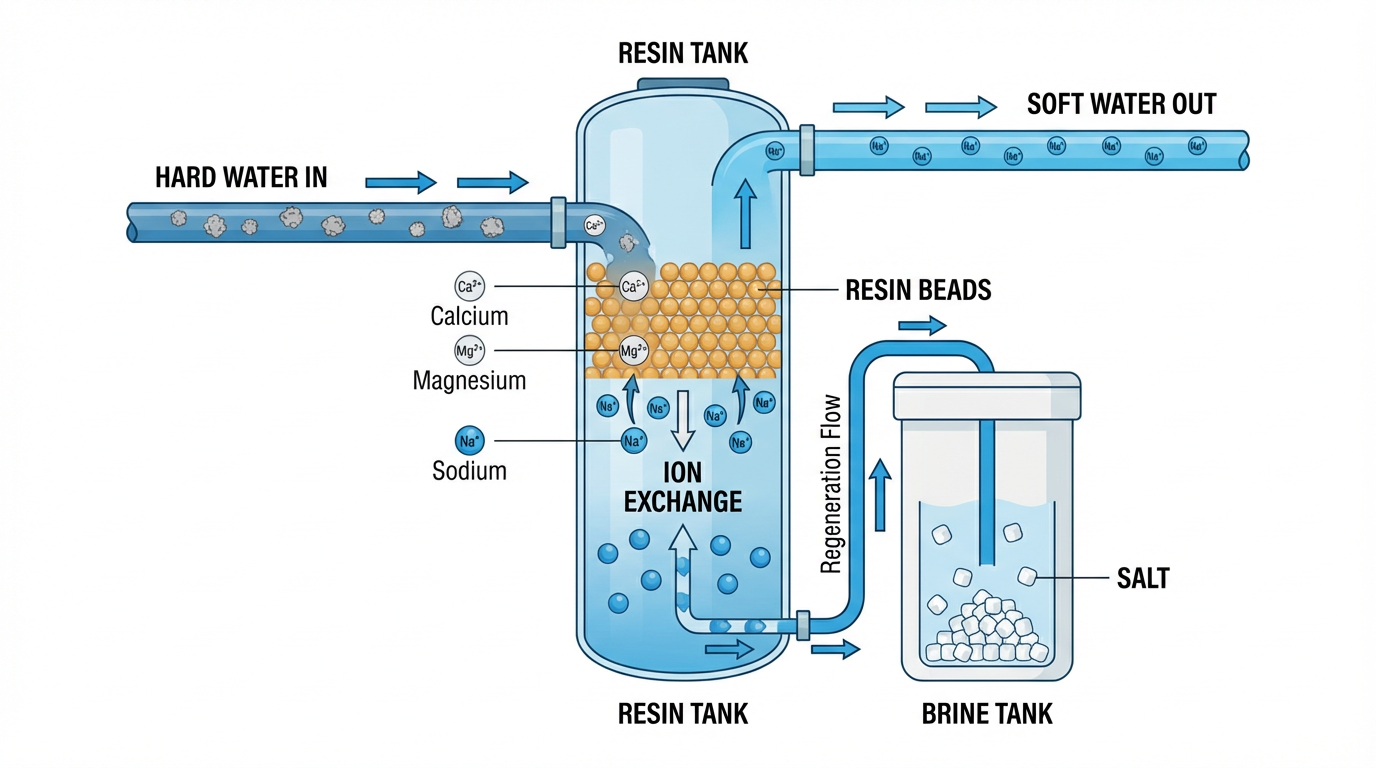
Here's how the process works:
- Ion Exchange: Hard water flows through a tank filled with resin beads that are charged with sodium (or potassium) ions.
- Mineral Swap: The calcium and magnesium ions in the hard water are attracted to the resin beads, which release sodium ions in exchange.
- Regeneration: Periodically, the system flushes the collected minerals down the drain using a saltwater solution, recharging the resin beads.
The result is genuinely soft water that eliminates scale buildup, allows soap to lather properly, leaves skin and hair feeling soft, and protects all your plumbing and appliances.
Salt-Free Water Conditioners
Salt-free systems, often using Template Assisted Crystallization (TAC) technology, take a different approach. Instead of removing minerals, they transform calcium and magnesium into microscopic crystals that won't stick to surfaces. These conditioners require no salt, no electricity, and produce no wastewater.
However, it's important to understand their limitations. According to the Water Quality Association, salt-free conditioners do not produce soft water in the technical sense. While they can help reduce scale buildup on pipes and fixtures, they won't improve soap lathering, eliminate water spots, or provide the skin and hair benefits that come with truly soft water.
For San Antonio's extremely hard water (15-20 gpg), a salt-based ion exchange system is typically the most effective choice for homeowners who want comprehensive protection and the full benefits of soft water.
Dual-Tank Systems: Continuous Soft Water
For larger households or those who want uninterrupted soft water 24/7, dual-tank water softeners offer a premium solution. These systems feature two resin tanks—while one regenerates, the other continues providing soft water. Premium brands like Kinetico specialize in non-electric dual-tank systems that operate based on actual water usage, maximizing efficiency and minimizing salt consumption.
Choosing the Right Water Softener for Your San Antonio Home
With so many options on the market, selecting the right system can feel overwhelming. Here's what San Antonio homeowners should consider:
Sizing Your System Correctly
A water softener that's too small won't keep up with your household's demand, while an oversized unit wastes salt and water. The correct size depends on:
- Water Hardness: With San Antonio averaging 15-20 gpg, you need a robust system designed for very hard water.
- Household Size: More people means more water usage. A family of four typically uses 300-400 gallons per day.
- Peak Demand: Consider when everyone showers, runs the dishwasher, and does laundry simultaneously.
Understanding Total Cost of Ownership
Don't just look at the sticker price. A budget system costing $300-$700 might seem attractive, but these units often last only 3-5 years and may be less efficient with salt and water. Premium systems from brands like Kinetico or Culligan cost more upfront ($3,000-$5,000+ installed) but typically last 15-20 years with superior efficiency and reliability.
When you calculate total cost of ownership over 10-15 years—including replacement costs, salt usage, water consumption, and repairs—premium systems often prove to be the better value.
Professional Installation Matters
While DIY installation might save money initially, improper setup can lead to leaks, inefficient operation, and voided warranties. Most premium manufacturers require professional installation to validate their warranties. A licensed plumber ensures:
- Correct placement and connection to your main water line
- Proper drain line installation for regeneration cycles
- Accurate programming based on your water hardness and usage
- Compliance with local plumbing codes
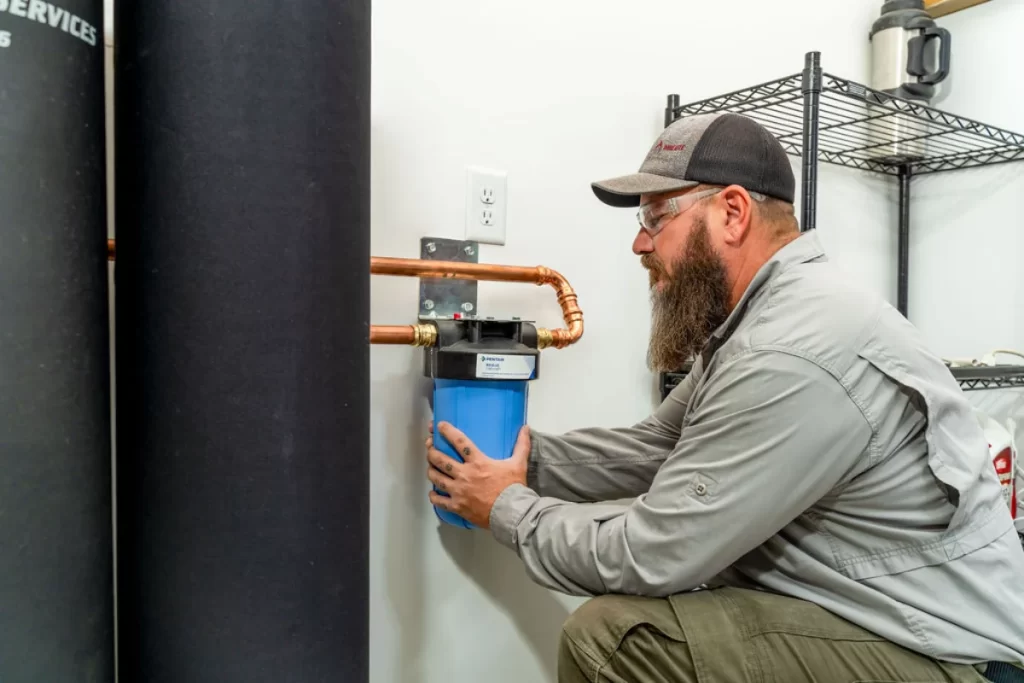
Get expert installation from Bluebonnet Plumbing. Our licensed technicians install water softeners throughout San Antonio and surrounding areas. Call +1 210-806-7285 Monday–Friday, 8 AM–5 PM for a consultation.
The Return on Investment: Why a Water Softener Pays for Itself
A quality water softener isn't just an expense—it's an investment that delivers measurable returns. Here's how San Antonio homeowners benefit financially:
Energy Savings
By keeping your water heater free of scale buildup, a softener maintains factory efficiency. Scale acts as insulation on heating elements, forcing the unit to work harder. Homeowners with water softeners can save up to $600 annually on energy costs—enough to pay back a premium system within 5-7 years through energy savings alone.
Extended Appliance Lifespans
With soft water protecting your appliances from scale damage, you can expect:
- Water heaters lasting their full 10-15 year expected lifespan instead of failing at 5-7 years
- Dishwashers and washing machines running efficiently for their full service life
- Fewer repair calls and replacement costs over time
Reduced Household Expenses
Soft water allows soaps and detergents to work more effectively. Many homeowners find they can use up to 50% less soap, shampoo, laundry detergent, and cleaning products—savings that add up month after month.
Protected Home Value
Scale-free pipes and well-maintained appliances protect your home's infrastructure. When it comes time to sell, a home with a quality water treatment system is a more attractive purchase for buyers who understand San Antonio's hard water challenges.
Maintaining Your Water Softener
One of the best things about modern water softeners is their low maintenance requirements. Here's what to expect:
Regular Salt Replenishment
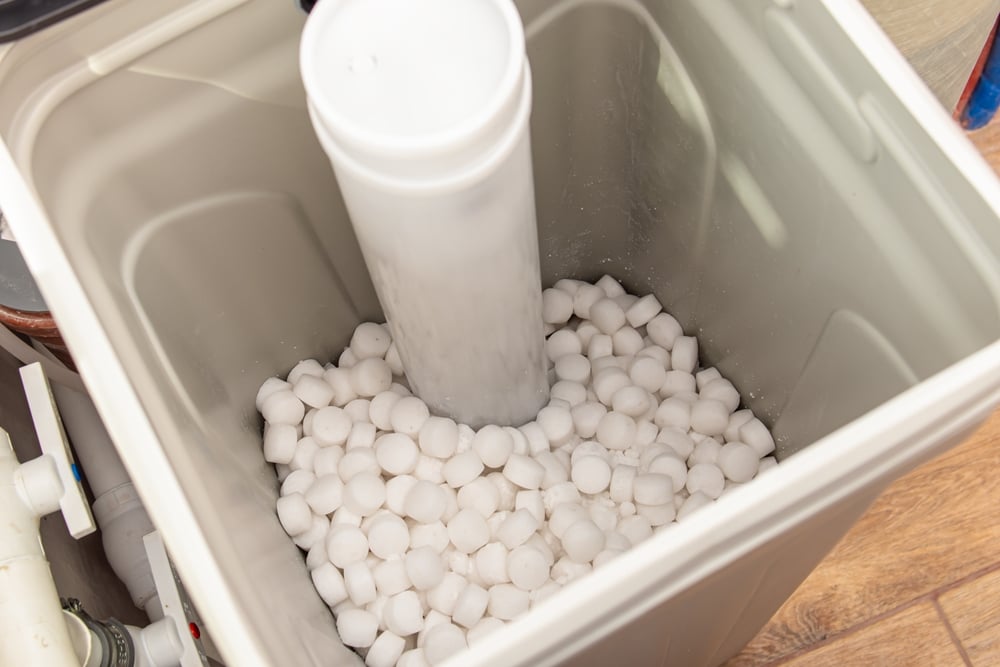
The main ongoing task is keeping the brine tank filled with salt. For most families, this means adding salt every few weeks at a cost of approximately $100 per year. You can choose between sodium chloride (standard water softener salt) or potassium chloride (a sodium-free alternative at higher cost).
Periodic System Checks
Occasionally check for salt bridges (a hardened crust that prevents proper regeneration) and ensure the system is cycling correctly. Many homeowners opt for annual professional service checks to maintain optimal performance.
Frequently Asked Questions About Water Softeners in San Antonio
How do I know if I need a water softener in San Antonio?
Given that San Antonio's water measures 15-20 gpg hardness (well above the 7 gpg "very hard" threshold), virtually every home in the area can benefit from water softening. Signs you definitely need one include white scale on fixtures, spotted dishes, dry skin after bathing, and appliances that require frequent repair or replacement.
Will a water softener make my water taste salty?
No. While salt-based softeners use sodium in the ion exchange process, the amount added to your water is minimal—typically 20-30 mg per 8-ounce glass, which is less sodium than a slice of bread. Most people notice no taste difference, and many prefer the cleaner taste of soft water.
How long does a water softener last?
Quality matters significantly here. Budget systems may last only 3-5 years, while premium water softeners from reputable manufacturers typically last 15-20 years with proper maintenance. This longevity is a key factor when calculating total cost of ownership.
Can I install a water softener myself?
While DIY installation is possible, it's not recommended for most homeowners. Improper installation can cause leaks, system malfunctions, and voided warranties. Professional installation ensures correct setup, code compliance, and preserved warranty coverage.
What size water softener do I need for my San Antonio home?
System size depends on your water hardness, household size, and daily water usage. For San Antonio's very hard water, you'll need a robust system. A water treatment professional can calculate the exact grain capacity needed based on your specific situation.
Are salt-free water conditioners effective for San Antonio's water?
Salt-free conditioners can help prevent scale buildup, but they don't actually soften water or remove minerals. For San Antonio's extremely hard water, most experts recommend salt-based ion exchange systems for homeowners who want the full benefits of soft water, including better soap lathering, softer skin and hair, and spot-free dishes.
How much water does a water softener waste during regeneration?
Traditional water softeners use 25-65 gallons per regeneration cycle, typically occurring every few days. High-efficiency models and demand-initiated regeneration systems minimize water usage by only regenerating when necessary based on actual water consumption.
Will soft water affect my plants or lawn?
Many homeowners install a bypass line for outdoor spigots, allowing untreated water for irrigation. The small amount of sodium in softened water is generally not harmful to most plants, but a bypass provides an easy solution for those with sodium-sensitive landscaping.
Why San Antonio Homeowners Trust Bluebonnet Plumbing

At Bluebonnet Plumbing, we understand the unique challenges that San Antonio's hard water presents. Our experienced technicians have helped countless local homeowners find the right water softening solution for their needs and budgets. We take the time to assess your water quality, understand your household's requirements, and recommend systems that deliver real value.
From consultation through installation and ongoing support, we're committed to providing honest guidance and quality workmanship. We serve homeowners throughout San Antonio and the surrounding Hill Country communities, bringing expertise in both water softener installation and comprehensive plumbing services.
Take the first step toward better water today.
Bluebonnet Plumbing
1917 El Monte Blvd, San Antonio, TX 78201
Phone: +1 210-806-7285
Hours: Monday–Friday, 8 AM–5 PMContact us to discuss water softener options for your San Antonio home!
Ready to Schedule Service?
Our licensed plumbers are standing by. Fill out the form and we'll be in touch quickly.